
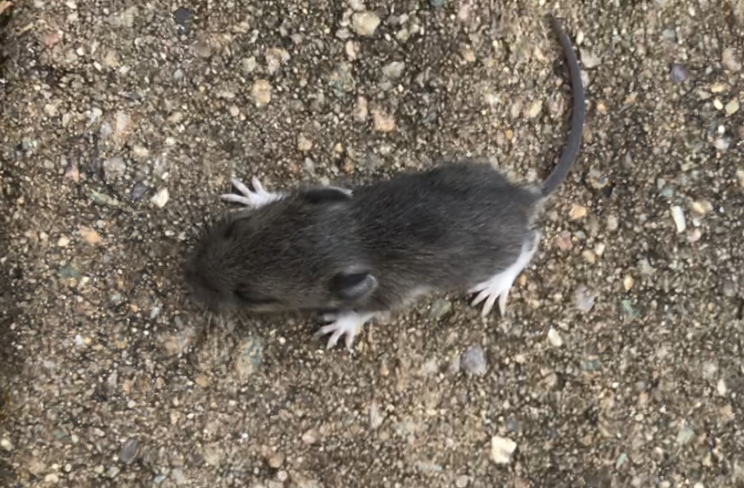
There has been increasing attention on the use of poison ☠️ (specifically second generation anticoagulant rodenticides or SGAR) to control rodents and the unintentional consequence of death in our pets and wildlife. Animals can be poisoned by eating the bait directly or by eating a rodent that ate the bait. Poisoning with an SGAR is very difficult to treat and often fatal. While the SGARs are only available to licensed exterminators, the common poisons available to the homeowner still pose a risk to children, pets, and wildlife. So what is a homeowner to do when they find mice or rats in their home if they should not use poison?
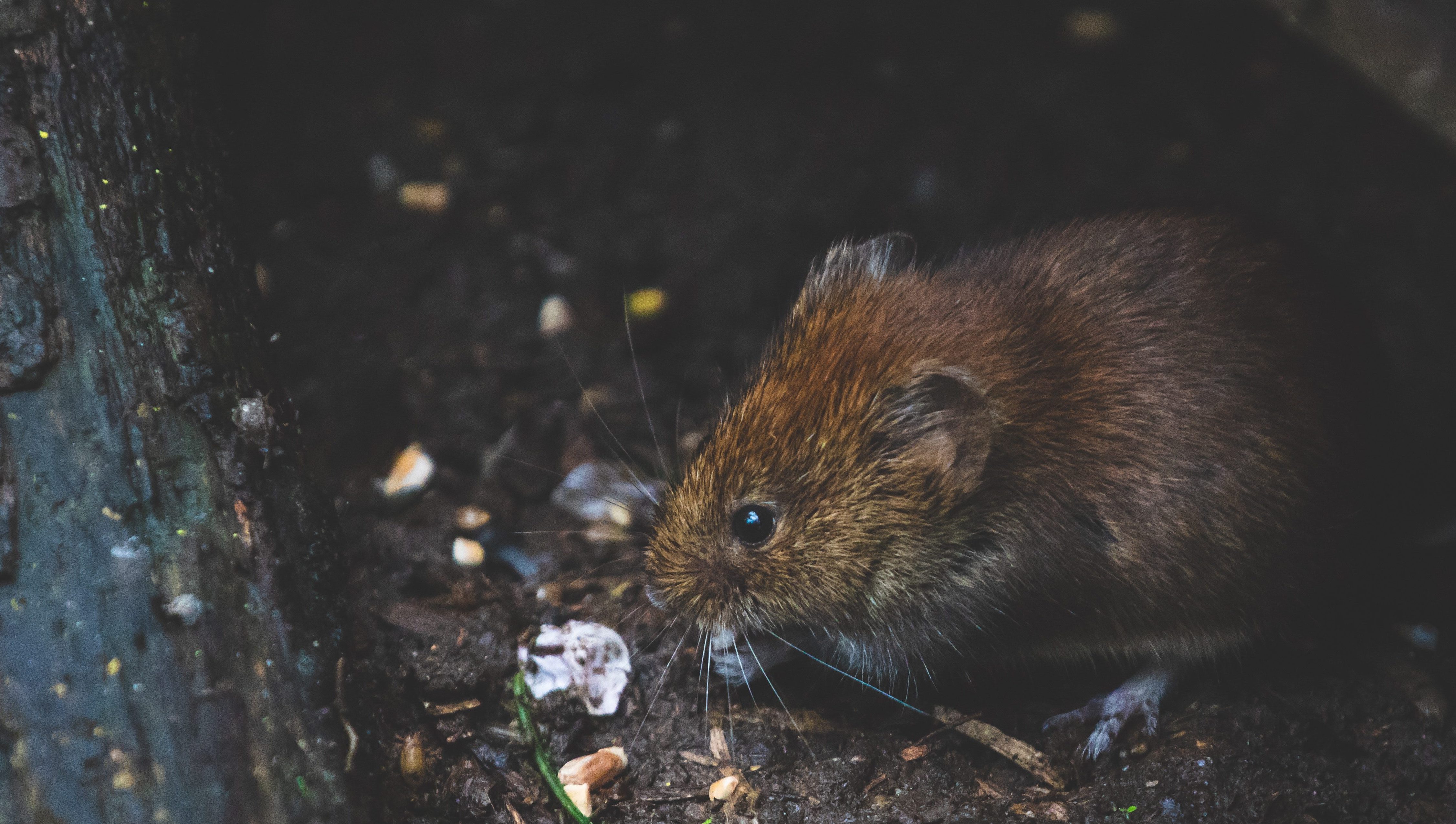
Prevent entry into your home
- Find the entry points and seal them.
- Remove shrubs/plants within 2 feet of your home.
- Keep all food sources sealed : garbage cans, birdseed, food in your cupboards.
- Rinse all containers before placing in recycle bin.
- Keep compost piles at a distance from the home.
- Consider removing bird-feeders.
Eliminate the indoor rodents:
- Set spring loaded traps 🪤out of reach of pets and children
- Enclosed snap traps prevent accidental injury to pets and children
- Electrified traps are a new option for management
- Avoid Sticky traps and live traps for multiple reasons: Sticky traps, besides being inhumane, do not catch breeding adults. Releasing live mice outdoors will not prevent the mouse returning. In addition these traps can result in contact with rodent urine which is a potential source of infection. 🦠
- Continue trapping for at least 1 week after the last rodent is caught.
Cleaning up after trapping rodents
- Use gloves when disposing of dead rodents, nests, or any nesting material.
- Spray the dead rodent or nesting material with a disinfectant solution (1½ cups of household bleach with 1 gallon of water)
- Do not vacuum or sweep rodent urine, droppings, or contaminated surfaces unless they have been disinfected.
- Wash gloved hands with soap and water or spray a disinfectant or bleach solution on gloves before taking them off.
- After removing gloves, thoroughly wash hands with soap and water.
- If the trap will be reused, decontaminate it by immersing and washing it in a disinfectant and rinsing well afterwards.
 Your Furry Godparents LLC